Laboratory researcher using a dropper with test tubes and plant samples for analytical testing

What Makes an Analytical Instrument ‘Research Grade’? A Buyer’s Guide for Maltese Labs

Not all analytical instruments are created equal. Walk into any laboratory supplier’s catalogue and you will find instruments described with terms like ‘research grade’, ‘precision’, and ‘high performance’. But what do these terms actually mean in practice, and how should a laboratory in Malta go about choosing the right analytical instruments for its needs?

It starts with what you are trying to measure
The first question is not which instrument to buy, but what the instrument needs to do. Analytical systems cover a broad range of techniques, each suited to different types of measurement. Gas chromatography is widely used for separating volatile and semi-volatile compounds that can be vaporised without significant decomposition. Liquid chromatography handles a broader range of samples, including many non-volatile, polar or thermally unstable substances. Atomic spectroscopy is widely used for elemental analysis, while molecular spectroscopy can provide information about the structure, composition or concentration of a substance, depending on the technique used. Mass spectrometry, often paired with chromatographic techniques, adds a further layer of selectivity and identification confidence.
Choosing the wrong technique for an application can be one of the most costly mistakes a laboratory makes, regardless of how capable the instrument itself is.
What “research grade” actually means
Though not a universally standardised classification, “research grade” is generally used to describe an instrument that offers the sensitivity, selectivity and flexibility needed to handle complex, varied or previously uncharacterised samples. This may mean a wider dynamic range, lower detection limits, greater configurability and robust software that supports advanced data analysis and method development. Research-grade instruments may also be designed to accommodate future needs, whether that means adding modules, expanding functionality or integrating with other systems in the laboratory.
For routine production environments, a simpler and more robust system may be entirely appropriate. The distinction matters because over-specifying an instrument can be as much of a risk as under-specifying one, both in terms of cost and operational complexity.
Procurement considerations for Maltese laboratories
For laboratories in Malta, procurement decisions carry additional weight. Import lead times, local technical support, and access to service and calibration all affect the total cost of ownership of an analytical instrument, not just the purchase price. An instrument that cannot be serviced readily, or whose consumables are difficult to source, may cost more to operate over time, regardless of its performance on paper.
This is where working with a local partner who understands both the technology and the local context makes a meaningful difference.
Tektraco Labs provides analytical systems across gas chromatography, liquid chromatography, atomic spectroscopy, molecular spectroscopy and mass spectrometry, supported by local installation, training and ongoing technical service. To find out more, visit our website.
Interior view of an open Weiss Technik climatic chamber showing stainless steel shelving and internal fans

Why Temperature Precision Matters in Research and Testing

A climatic chamber is used to answer a key question in materials testing: how will a material perform when exposed to heat, humidity or changing environmental conditions over time? Materials can absorb moisture, expand, contract, degrade or lose performance as their surroundings change. Testing these effects helps researchers compare materials, improve designs and identify potential weaknesses before they emerge in real-world use.

What is a Climatic Chamber?

A climatic chamber is a controlled environment that simulates specific temperature and humidity conditions with a high degree of precision. Chambers range from compact benchtop units to large walk-in rooms, and are used across pharmaceuticals, electronics, materials science, and building research.

Why Consistency Matters

The value of a climatic chamber lies in its consistency. A test conducted at a specific temperature means very little if the chamber fluctuates throughout the process. In stability testing and materials research, those fractions of a degree determine whether results are repeatable, comparable, and scientifically valid.

Weiss Technik in Action: From Pharmaceuticals to Civil Engineering

Weiss Technik is one of the leading names in environmental simulation technology, offering climatic and stability chambers designed for long-term reliability, precise control, and compliance with internationally recognised testing standards. Tektraco supplied, installed, and delivered certified training on two Weiss Technik climatic chambers at the University of Malta, giving civil engineering students hands-on access to high-precision testing technology widely used across the global engineering industry.

To find out more about Weiss Technik climatic chambers, visit our website.

ERWEKA – Precision in Pharmaceutical Testing

Proudly representing ERWEKA, Tektraco provides trusted, high-precision pharmaceutical testing equipment that ensures quality, compliance, and patient safety worldwide.

Tektraco Labs – A Complete Laboratory Solution

Have you ever wondered why we embrace and promote our department as a Complete Lab Solution? We offer our clients a vast range of goods which you would require to build your laboratory from scratch.

Installation of Weather Monitoring Stations along the Maltese coast

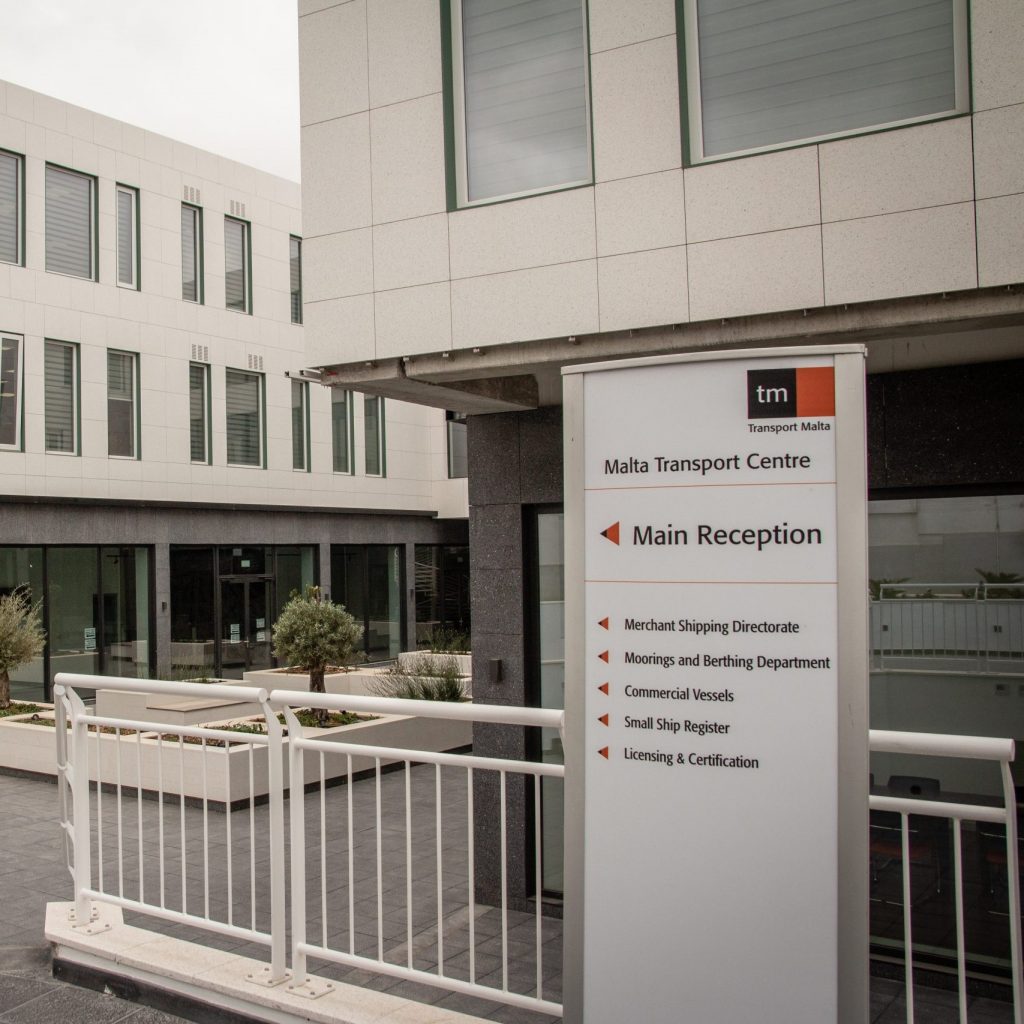
Installation of these Weather monitoring stations varied in strategic positions along the Maltese coast including all main ports of the island. This equipment is now being used mostly by the marine section of Transport M
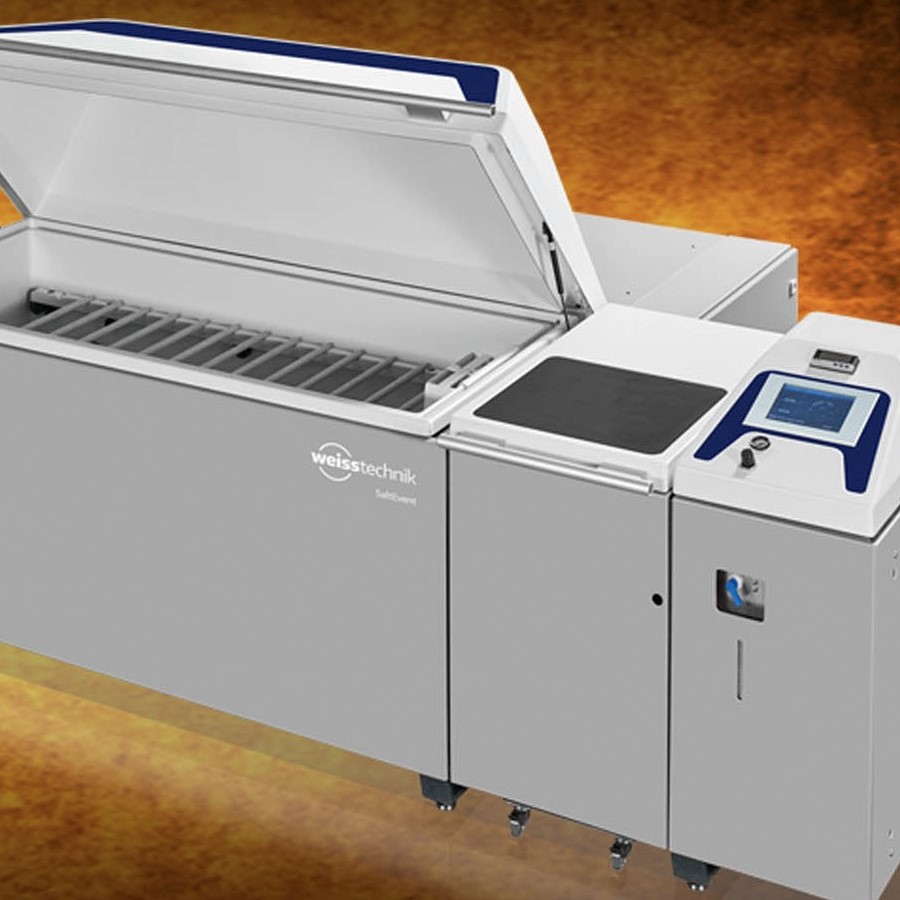
Tektraco Labs – Installation and commissioning of climatic and salt spray corrosion chambers

During the Covid-19 pandemic most companies were confronted with adapting to new ways of working amid stressors that have never been experienced before.